Source Motorcycle License Plate Holder for Bikes, Scooters, and Off-Road
Find 30 motorcycle license plate holder options from China suppliers. Compare materials like aluminum alloy and stainless steel, certifications such as CE and ISO9001, and customization features for various vehicle types; compare the available evidence and request quotations based on your requirements.
Key considerations
Products List


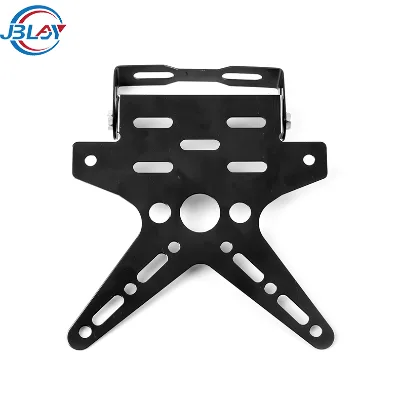

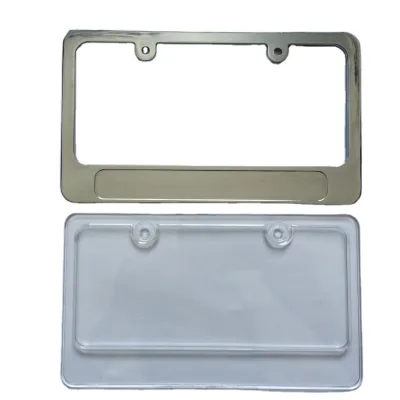


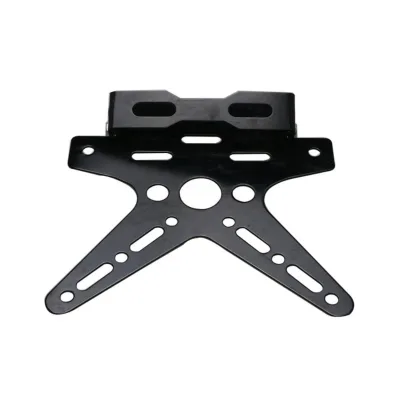
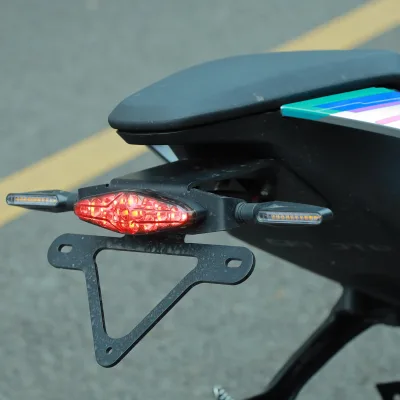



Comprehensive Sourcing Guide
Motorcycle License Plate Holder Sourcing Guide
Buyers must first distinguish between functional mounting hardware and decorative accessories, as the observed market data reveals a split in product attributes. While some listings explicitly identify as "Motorcycle Brake" components or "Mirrors," others are categorized strictly as "Decoration" or "Personal Decorations" intended for office or home use. This distinction is critical because a bracket designed for road-legal vehicle use requires different structural integrity and certification than a purely aesthetic item intended for display or promotional gifts.
Procurement teams should verify the specific "Product Name" and "Type" fields against their intended application before proceeding. The data shows models like A61 and LK10-044 are associated with license plate brackets, yet other entries list "Suitable for: Office" or "Usage: Religious Crafts." Misinterpreting these attributes can lead to purchasing non-compliant parts for actual motorcycle installation, so buyers must cross-reference the "Type" attribute with the physical requirements of their vehicle to ensure the item serves its intended mechanical or decorative purpose.
Product Scope and Observed Listing Signals
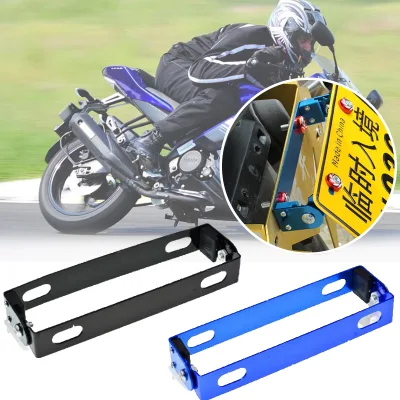
The observed product range includes specific models such as LK10-039, LK10-021, and SM-MP-118, which vary significantly in material composition and finishing processes. Some units are constructed from "Aluminium Alloy" or "Stainless Steel" with "CNC" machining, while others utilize generic "Alloy" materials with "Metallic Finished" or "Brushed" printing. Buyers should scrutinize the "Material" and "Process" fields to ensure the selected item matches the durability requirements of their specific environment, as corrosion resistance and structural strength differ markedly between these material classes.
Packaging and unit definitions also present a wide variance that impacts logistics and inventory planning. Listings indicate "Selling Units" as single items, yet "Packaging Details" range from "1set/Box" to "Blister" packs and "Corrugated Carton" shipments. The "Gross Weight Per" is noted as 0.550kg for certain batches, but other entries lack specific weight data. Procurement planners must account for these packaging inconsistencies when calculating freight costs and storage space, ensuring the "prod_packing" method aligns with their internal handling capabilities and destination market requirements.
Technical Specifications to Verify
Dimensional accuracy is a primary concern when sourcing these components, as the data presents conflicting or incomplete standard measurements. While one entry cites a standard of "25X20X8cm," another lists a width range of "501-600mm" and an inner diameter of "31.1-32.5mm." These discrepancies suggest that buyers cannot rely on a single generic specification and must request precise technical drawings or physical samples to verify fitment. The "prod_standard" field often contains vague descriptors like "small size" or "aluminum holders," necessitating direct confirmation of exact dimensions before finalizing any order.
Material properties and finishing techniques further define the product's longevity and aesthetic appeal. The supply chain offers options ranging from "Black" and "Silver" to "Red or Blue" colors, with finishes described as "Polish," "Corrosion," or "Metallic Finished." Buyers must verify if the "Processing" method, such as "Machinery," ensures the necessary tolerance for mounting holes and bracket curvature. Additionally, the "Customization" attribute is marked as available, allowing for tailored solutions, but this requires clear communication of specific color codes and surface treatment requirements to avoid receiving non-conforming goods.
Compliance and Safety Documentation
Certification status varies across the product listings, with some items displaying "CE," "DOT," and "RoHS" marks, while others only reference "ISO9001: 2000" or generic "ISO9001" standards. For motorcycle applications, the presence of "DOT" and "CE" certifications is often mandatory to ensure road legality and safety compliance in various jurisdictions. Buyers must explicitly request valid certification documents for the specific model number they intend to purchase, as the mere presence of a certification label in a listing does not guarantee that the specific batch or unit meets current regulatory requirements.
Safety documentation must also address the intended usage environment, particularly when products are marketed for both vehicle mounting and decorative purposes. The data indicates some items are suitable for "Office" or "Home Decorations," which may exempt them from strict vehicle safety standards. However, if a buyer intends to use a "Motorcycle License Plate Bracket" on a road-legal vehicle, they must ensure the supplier provides proof that the "Material" and "Finishing" processes meet the necessary impact and vibration resistance standards. Relying on general "ISO9001" quality management certifications without specific product safety test reports can expose the buyer to liability risks.
Cost Drivers and Commercial Terms
Pricing in this category fluctuates based on material complexity and finishing processes, with observed ranges spanning from $0.50 to $15.50 USD. The cost is heavily influenced by whether the item is a simple "Alloy" bracket or a precision "CNC" machined "Stainless Steel" component with "Metallic Finished" surfaces. Buyers should anticipate higher unit costs for models requiring "Customized" colors or specific "Brushed" printing, as these value-added services increase production time and material waste. Understanding these cost drivers helps in budgeting for both initial procurement and potential volume discounts.
Minimum Order Quantities (MOQ) and packaging configurations significantly affect the total landed cost and cash flow requirements. The observed MOQ ranges from 1 to 500 units, offering flexibility for small-scale buyers but potentially limiting bulk pricing power for larger orders. Packaging details such as "1set/Box" versus "Blister" packs can alter the per-unit shipping weight and volume, directly impacting freight expenses. Procurement teams should negotiate terms that align with their inventory turnover rates, balancing the lower MOQ flexibility against the economies of scale offered by larger batch orders.
Supplier Qualification and Quality Control
Supplier location and origin are key indicators of supply chain reliability, with the majority of observed products originating from "Guangdong, China" or generally "China." This concentration suggests a mature manufacturing ecosystem but also requires buyers to verify the specific factory's capacity and quality control protocols. Buyers should request evidence of the supplier's "ISO9001" certification validity and inquire about their internal testing procedures for "Corrosion" resistance and structural integrity. Relying solely on the listed origin without verifying the specific manufacturing facility can lead to inconsistencies in product quality.
Quality control must extend beyond the initial sample to include batch-to-batch consistency, especially for customized orders. The "Customization" attribute is widely available, but the "Serface Handing" (Surface Handling) and "Finishing" processes must be strictly controlled to prevent defects like uneven "Brushed" prints or poor "Polish" quality. Buyers should implement a rigorous inspection plan that checks for color accuracy, dimensional tolerances, and packaging integrity. Establishing clear acceptance criteria for the "Material" and "Process" attributes ensures that the delivered goods match the agreed-upon specifications and maintain the brand's reputation.
Long-Term Procurement Checks
Sustainable sourcing requires monitoring the stability of material supply and the consistency of finishing processes over time. As the market offers various "Aluminium" and "Stainless Steel" options, buyers must ensure that their suppliers maintain a consistent supply chain for these raw materials to prevent production delays or quality degradation. Regular audits of the supplier's "Processing" capabilities and "Finishing" lines are essential to verify that the "Metallic Finished" or "Brushed" standards remain consistent across multiple production runs. This proactive approach mitigates the risk of receiving substandard products in future orders.
Long-term partnerships should also focus on the adaptability of the supplier to changing market demands and regulatory updates. The "Customization" feature allows for product evolution, but buyers must ensure the supplier can scale these customizations without compromising quality or lead times. Establishing a clear communication channel for updates on "Certification" requirements, such as new "DOT" or "CE" standards, is vital for maintaining compliance. By fostering a collaborative relationship, buyers can ensure their supply of "Motorcycle License Plate Holders" remains reliable, compliant, and aligned with their strategic business goals.
FAQs
What certifications are available for motorcycle license plate holders?
Available certifications include CE, DOT, and ISO9001 standards. These ensure compliance with international safety and quality management requirements. Buyers should verify specific certification needs against their local regulations before placing orders to ensure legal road use and product acceptance in target markets.
Can motorcycle license plate holders be customized for specific models?
Yes, customization is available for various motorcycle models. Options include specific part numbers like A61, LK10-044, and LK10-039. Buyers can request tailored dimensions or branding to fit unique vehicle requirements, ensuring a precise fit and secure mounting for their specific motorcycle type.
What materials are used in manufacturing these holders?
Manufacturers primarily use aluminum alloy and stainless steel for durability. Some products feature CNC-machined aluminum with black, silver, or red finishes. These materials provide corrosion resistance and structural strength, ensuring the license plate remains securely attached during riding while maintaining an aesthetic appearance.
What is the typical packaging for motorcycle license plate brackets?
Standard packaging includes individual box packaging or blister packs. Some items are shipped in corrugated cartons for bulk protection. Each set typically contains one unit per box, with dimensions around 25x20x8cm, ensuring safe transit and easy inventory management for wholesale buyers and distributors.
Where are these motorcycle accessories typically manufactured?
These products are primarily manufactured in Guangdong, China. This region is known for its robust manufacturing infrastructure and supply chain efficiency. Buyers sourcing from this location benefit from established production capabilities and competitive logistics options for international shipping and distribution to global markets.
What is the minimum order quantity for these brackets?
Minimum order quantities typically range from 1 to 500 units. This flexibility allows both small retailers and large distributors to place orders that suit their inventory needs. Buyers can start with smaller trial orders to test product quality before committing to larger bulk purchases.